Pope Saint Cornelius
Pope Saint Cornelius faced challenges from apostates and the Rigorists, but upheld that repentant lapsi could rejoin the Church with proper penance, before dying a martyr.
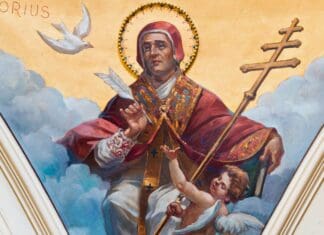
Pope Saint Gregory The Great
Pope St. Gregory, a Roman noble, became a monk, then Pope, known for church reforms, aiding the poor, and Gregorian Chant.
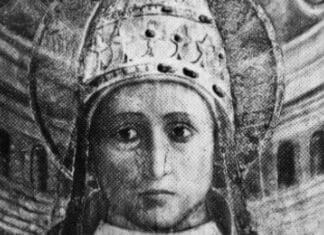
Pope Saint Zephyrinus
The pontificate of this first third-century pope was to see a storm of heresy rage around the pontiff, who had to keep a firm hand on the tiller of Peter's barque.
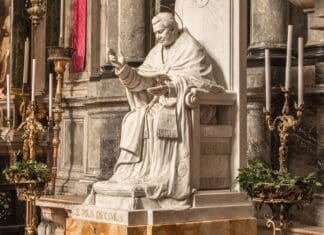
Pope Saint Pius X
Pope Saint Pius X exemplified saintly virtues like piety, humility, charity, and pastoral zeal, deeply shaping the Catholic Church.
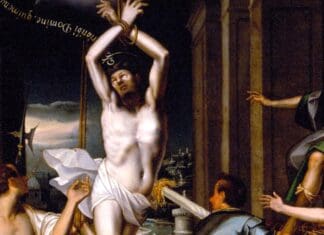
Pope Saint Pontian
Pope Saint Pontian, who reigned from 230-235, holds the distinction of being the first pontiff to abdicate.
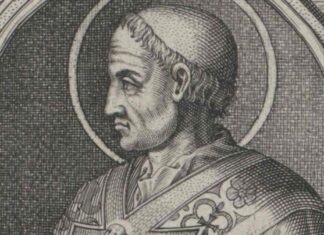
Pope Saint Hormisdas
Pope St. Hormisdas, once married with a son who also became Pope, ended the Laurentian schism and strongly backed St. Symmachus against antipope Lawrence.
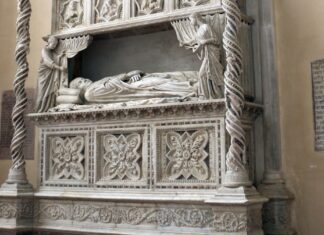
Pope Saint Benedict XI
He was the author of a volume of sermons and commentaries on a part of the Gospel of Saint Matthew, the Psalms, the Book of Job and the Apocalypse.
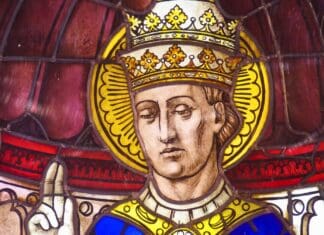
Pope Saint Celestine V
Pope Saint Celestine V reigned a mere five months. The primary objective of his pontificate was to reform clergy. He abdicated on 13 December 1294, the last pope to do so until Pope Benedict XVI.
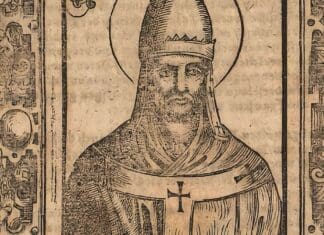
Pope Saint John I
Pope Saint John I, born in Tuscany, confronted Arianism in Constantinople, martyred under Theodoric, king of the Ostrogoths.
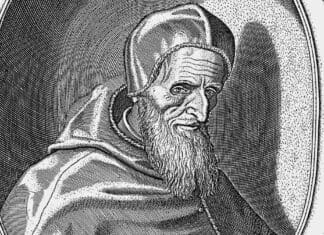
Pope Saint Pius V
Dominican pontiff who convened Council of Trent, excommunicated Elizabeth I, patronized Palestrina, and led Holy League at Lepanto.