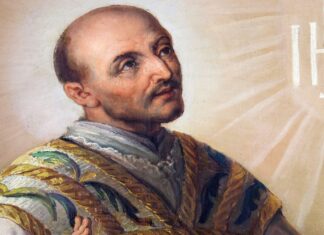
Saint Ignatius Loyola, Founder of the Jesuits
Saint Ignatius of Loyola, born Íñigo Oñaz López de Loyola, founded the Jesuits after transitioning from court life to a military career.
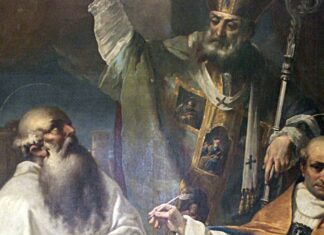
Saint Peter Chrysologus
Saint Peter Chrysologus, Doctor of Homilies, defended Christ's humanity with concise, powerful homilies, earning the name "The Golden-Worded."

Saint Martha
Saint Martha, Mary, and Lazarus were close friends of Jesus, who visited their home and resurrected Lazarus despite the dangers in Judea.
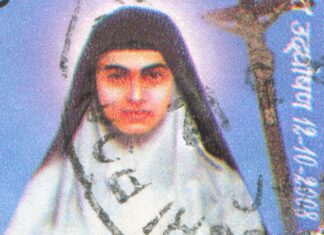
Saint Alphonsa
Saint Alphonsa of Bharananga is the first person of Indian origin and of the Syro-Malabar Catholic Church to be canonized as a saint.
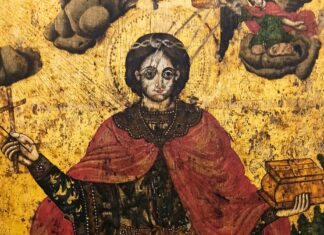
Saint Pantaleon
Accused of Christianity during Emperor Diocletian's persecution, he gave all to the poor, faced torture, refused to recant, and was martyred.
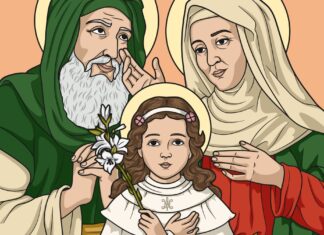
Saints Joachim and Anne, Grandparents of Jesus
Saints Joachim and Anne, devout parents of Mary and grandparents of Jesus, exemplified profound faith and were blessed with Mary after initial childlessness.
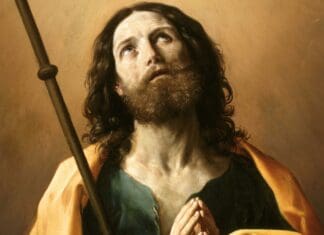
Saint James The Greater
Saint James, one of the favored three Apostles, witnessed the Transfiguration and was the first apostle to be martyred.
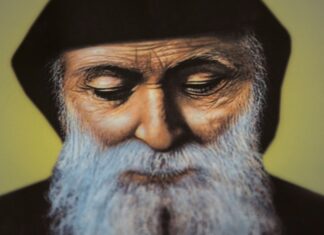
Saint Charbel Makhlouf
Saint Charbel Makhlouf, O.L.M., was a monk of the Lebanese Maronite Order and a priest in Lebanon. During his life he obtained a wide reputation for holiness and he has been canonized by the Catholic Church.
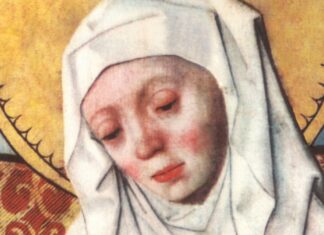
Saint Bridget of Sweden
Saint Bridget of Sweden (1303-1373) Patroness of Europe, mystic and saint and founder of the Bridgettine Order.
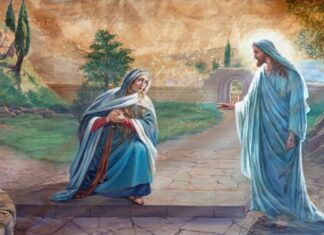
Saint Mary Magdalene
Saint Mary Magdalene was present at Jesus' Crucifixion and his empty tomb, earning her the title 'Apostle to the Apostles.'