Saint John Marie Vianney
Saint John Marie Vianney, the curé of Ars, spent up to 12 hours daily hearing confessions, canonized in 1925, and patron of parish priests.
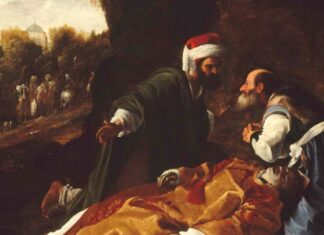
Saint Gamaliel
Saint Gamaliel, a Pharisee and doctor of the Law, advised the Sanhedrin to spare St. Peter and the Apostles, demonstrating his influential authority.
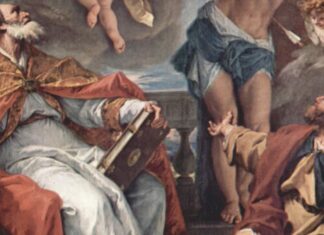
Saint Eusebius of Vercelli
Saint Eusebius of Vercelli, with Saint Athanasius, affirmed Jesus' divinity against Arianism, enduring sufferings for the Faith, earning martyrdom.
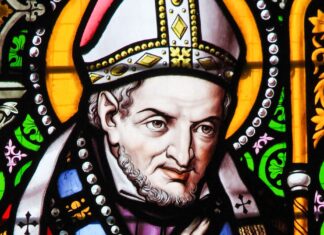
Saint Alphonsus Liguori
Saint Alphonsus Liguori was an Italian bishop, theologian, spiritual writer, and founder of the Redemptorists, a prominent religious congregation.
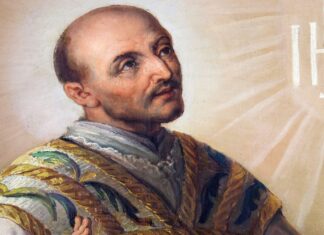
Saint Ignatius Loyola, Founder of the Jesuits
Saint Ignatius of Loyola, born Íñigo Oñaz López de Loyola, founded the Jesuits after transitioning from court life to a military career.
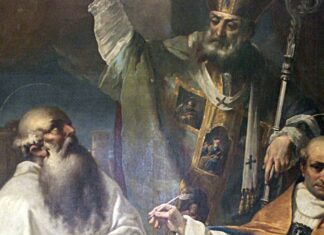
Saint Peter Chrysologus
Saint Peter Chrysologus, Doctor of Homilies, defended Christ's humanity with concise, powerful homilies, earning the name "The Golden-Worded."

Saint Martha
Saint Martha, Mary, and Lazarus were close friends of Jesus, who visited their home and resurrected Lazarus despite the dangers in Judea.
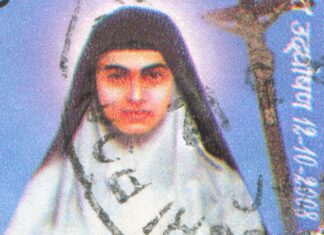
Saint Alphonsa
Saint Alphonsa of Bharananga is the first person of Indian origin and of the Syro-Malabar Catholic Church to be canonized as a saint.
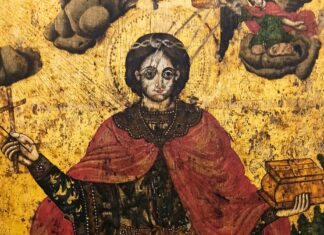
Saint Pantaleon
Accused of Christianity during Emperor Diocletian's persecution, he gave all to the poor, faced torture, refused to recant, and was martyred.
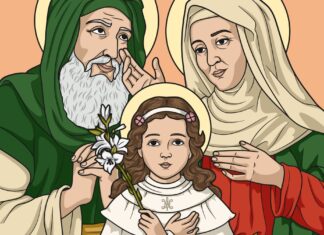
Saints Joachim and Anne, Grandparents of Jesus
Saints Joachim and Anne, devout parents of Mary and grandparents of Jesus, exemplified profound faith and were blessed with Mary after initial childlessness.